
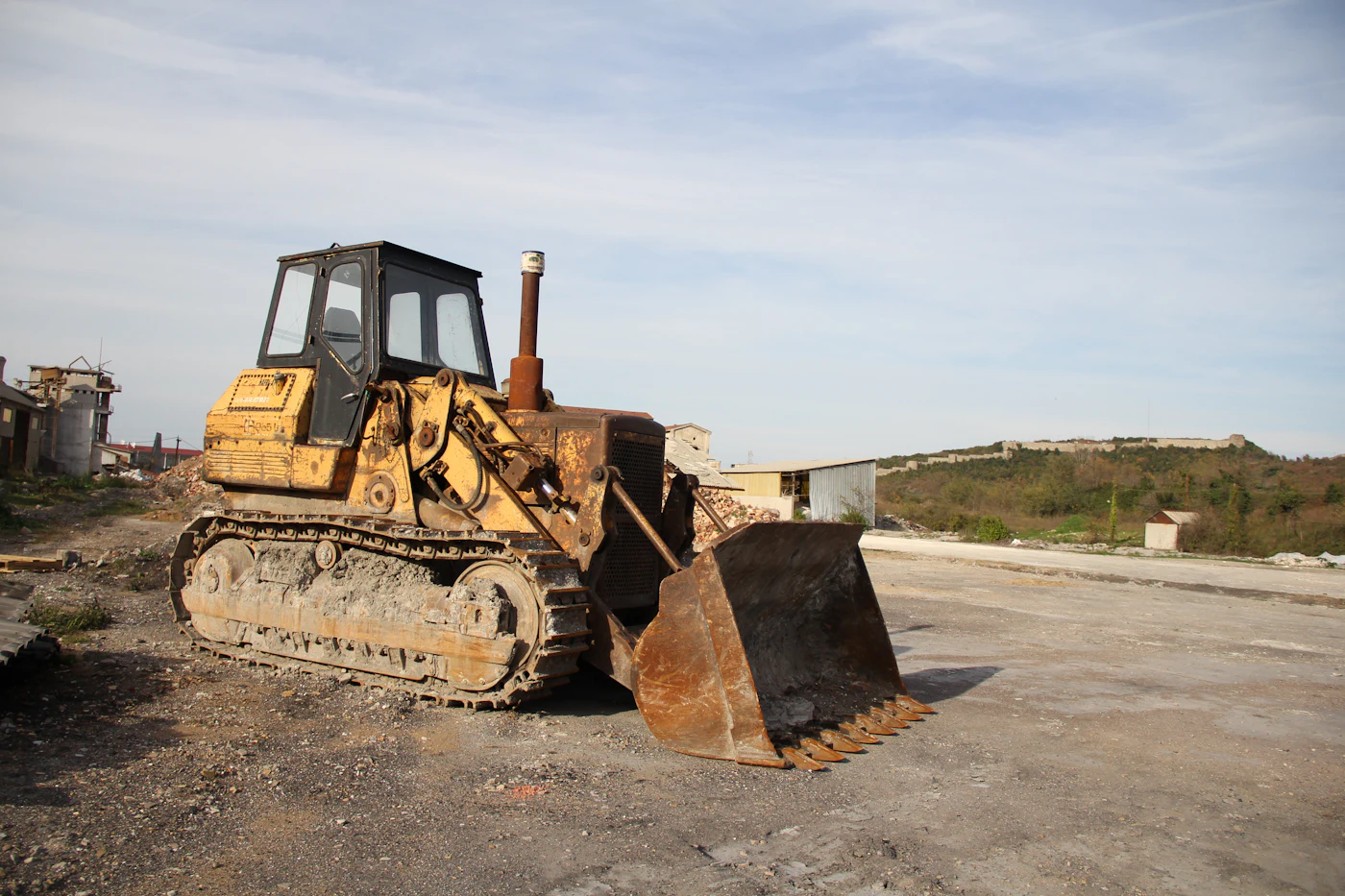
Track loaders: bucket, arms and undercarriage all count.
Home › Track loaders
Crawler loaders
Old track loaders and crawler loaders
The machine with a bucket on the front and steel tracks underneath. Farm, contractor or demolition, we buy them in any shape.
Machine report
Tell us what's sitting there
or call 236-239-0420
What we see
Track loaders that come our way
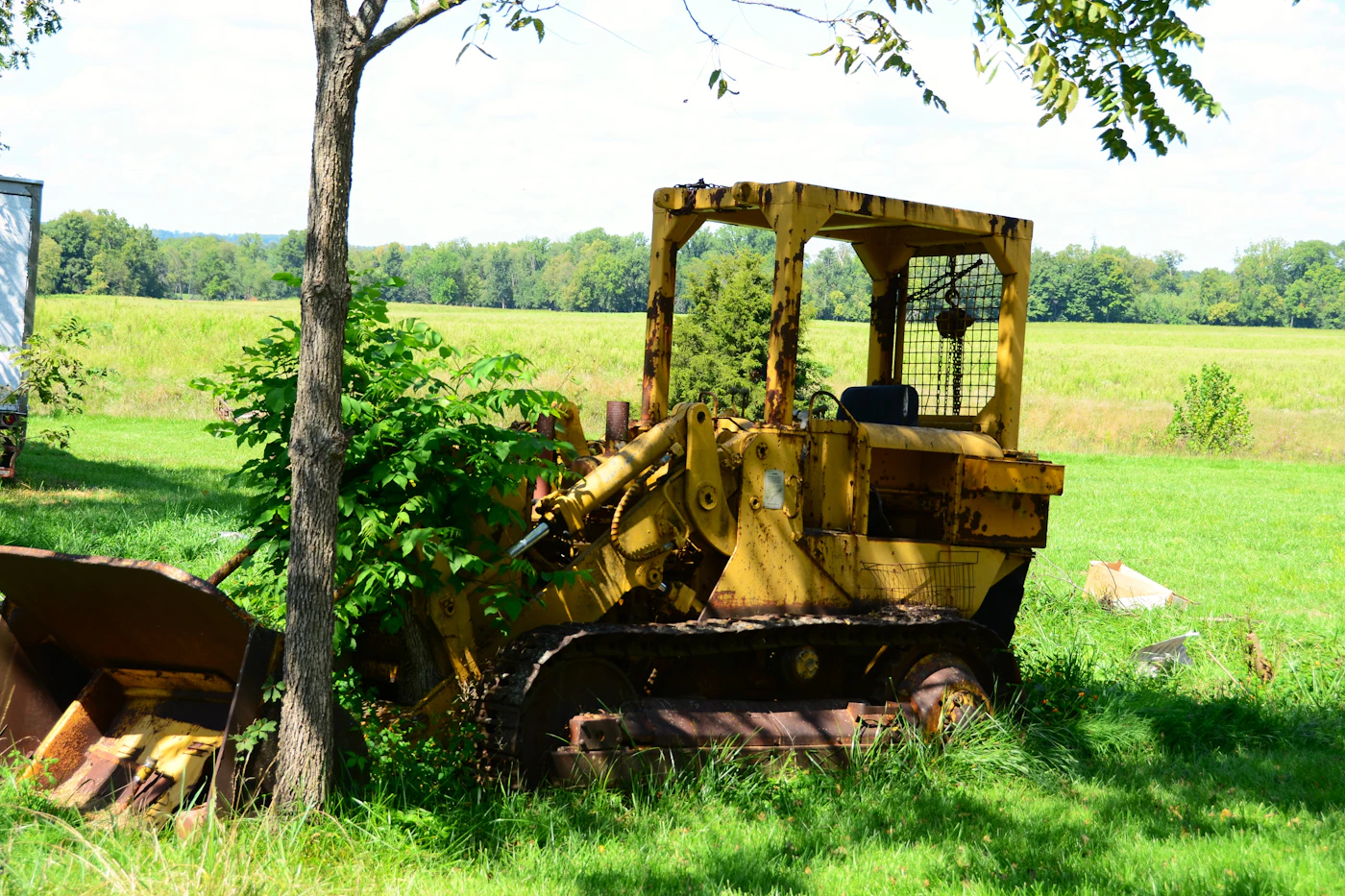
- Older crawler loaders parked on farms after years of clearing
- Contractor machines with worn undercarriage
- Demolition loaders with beat-up buckets and guards
- Machines with a multi-purpose (4-in-1) bucket
- Track loaders with a rear ripper
Spec sheet
What we check on a track loader
| Bucket and edge | Wear on the cutting edge and bottom, cracks at the hinges. |
|---|---|
| Lift arms and pins | Play in the pins, cracks in the loader arms. |
| Undercarriage | Track chain stretch, roller and idler wear, sprocket teeth. |
| Steering | Clutch and brake, or hydrostatic. Does it turn both ways? |
| Engine | Starts, smokes, or seized. |
What makes a track loader worth more or less
Track loaders are less common than wheel loaders now, which keeps parts for them in demand.
Older machines still have buyers for parts
Many track loaders still working in BC are decades old. That keeps demand up for engines, final drives and undercarriage from retired machines.
Steering clutches and brakes
Older crawler loaders steer with clutches and brakes. Slipping clutches or worn brakes make a machine hard to use but don't stop a sale.
Hydrostatic drives
Newer track loaders often use hydrostatic drive. A failed pump or motor is costly to fix, but the machine is still bought.
Buckets and attachments
A 4-in-1 bucket, a rear ripper or forks add value. Tell us what comes with it.
Weight and hauling
Mid-size and larger track loaders are heavy. They go on a lowbed, sometimes with the bucket lowered or removed for height.
Diesel rules
In Metro Vancouver, track loaders with diesel engines of 25 hp or more fall under Bylaw 1329, unless used only for farming.
Common problems we see
Worn steering clutches, leaking final drives, cracked loader arms and stretched track chains are the usual reasons a track loader gets parked. Any of them can make repairs cost more than the machine is worth to its owner, which is where we come in.
Demolition and waste machines
Track loaders used in demolition or at transfer stations take extra abuse. Heavy guarding, patched buckets and dented panels are normal. They're still bought, and the guarding counts toward the steel.
Photos that help
Each side of the machine at track level, the bucket from the front, the cab and the engine. If the serial plate is readable, a photo of that too. It tells us the exact model and year.
What happens next
Usable engines, transmissions and track groups from track loaders are pulled and resold to people keeping other machines running. The rest is drained and recycled as steel.
Straight answers
Questions we get
Do you buy track loaders with no bucket?
Yes. Tell us what's missing so the quote is right.
Can you move a loader with seized tracks?
Usually, with a winch and the right lowbed.
Do you buy old farm crawler loaders?
Yes. A lot of what we buy comes off farms.
Old track loader in the yard?
Call or send the make and model. We'll quote it as it sits.